1956–1960 / The beginning
A culture of making.
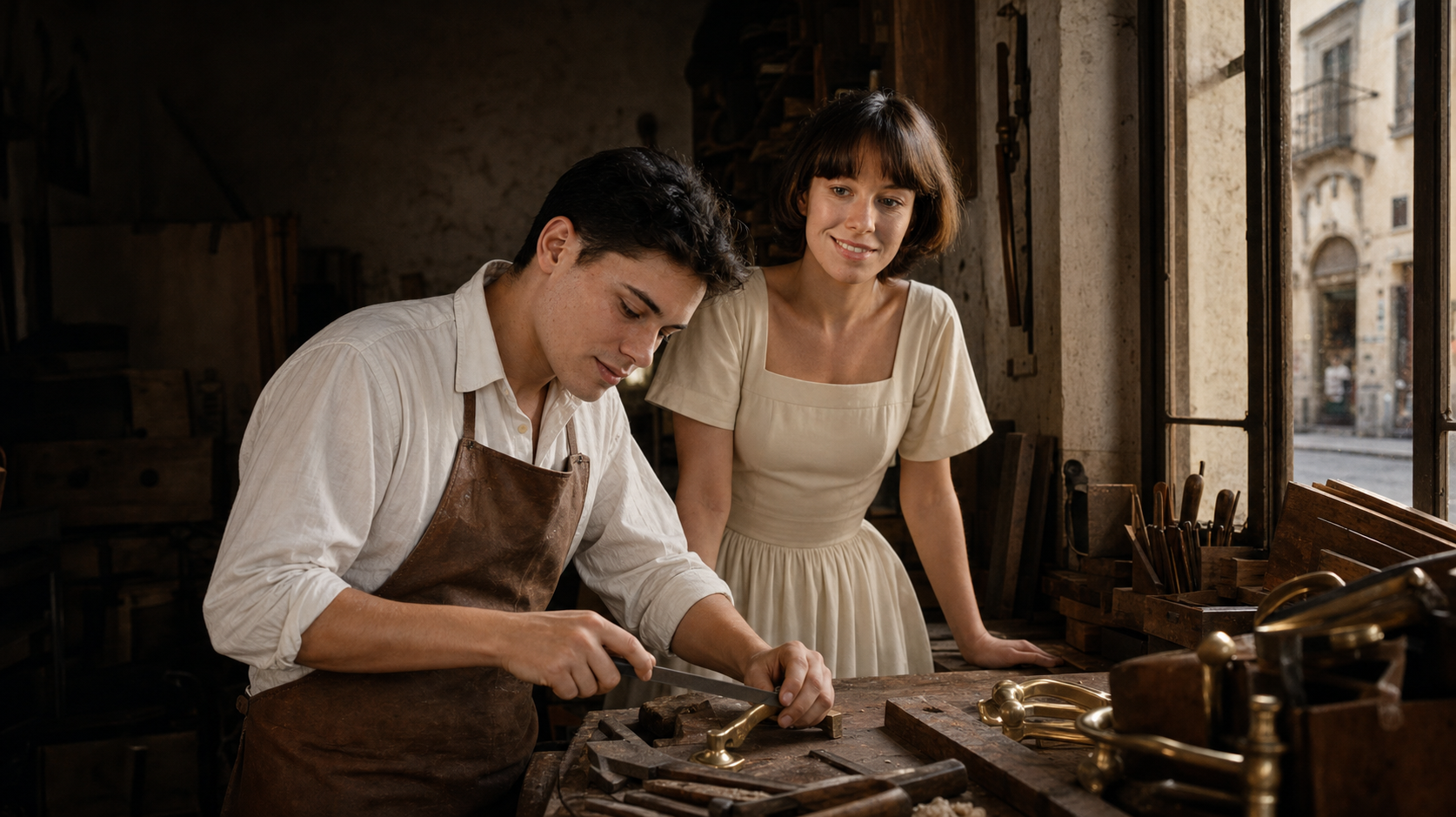
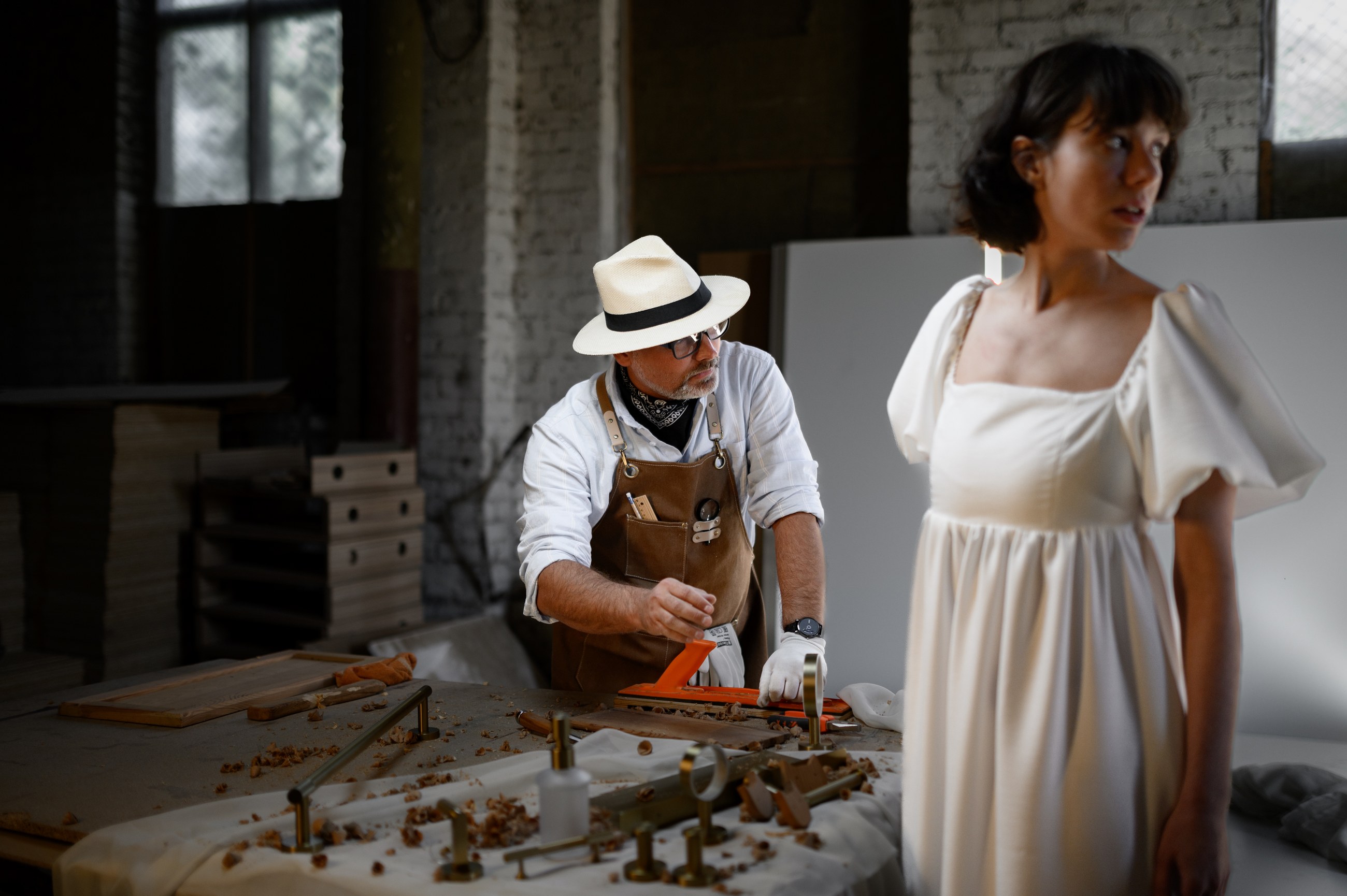
Graziano began in 1956 with a practical sensibility: to create beautiful, functional objects for everyday life. From the outset, precision in craft became a form of character.
 Since 1956
Graziano / History
For Graziano, Italian culture is not decoration. It is a way of thinking about form, material and the gestures of everyday life.
“I bring together the traditions dear to me since childhood and the Russian identity I came to love.”
Enzo / Graziano
The Graziano journey leads from the craft culture of 1956 to contemporary collections in which Italian places become objects.
1956–1960 / The beginning
Graziano began in 1956 with a practical sensibility: to create beautiful, functional objects for everyday life. From the outset, precision in craft became a form of character.
Italy / The journey
Enzo travelled through the regions of Italy, observing their architecture, landscapes, gestures and traditions. Every place offered a distinct vocabulary for form, names and proportion.
The 1980s / A mature language
Memory is not copied; it is transformed. Wood, metal, ergonomics and the absence of excess ornament bring classical charm together with contemporary clarity.
2023 / Caltanissetta
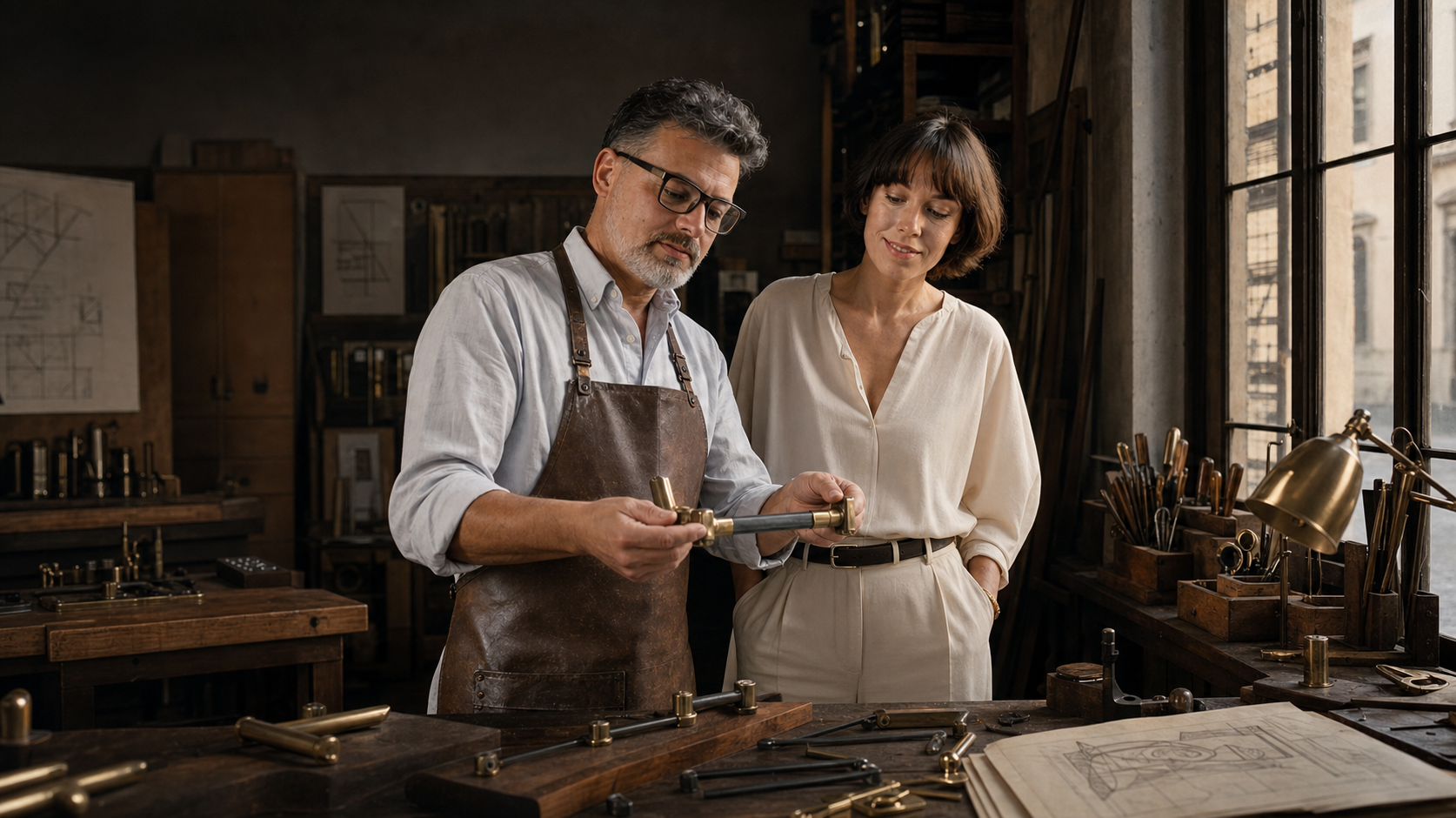
The anniversary collection pays tribute to the province of Caltanissetta. Gela, Niscemi, San Cataldo, Mazzarino, Riesi and Mussomeli translate castles, mountains and olive valleys into a family of objects.

Today / The future
Graziano continues the dialogue between cultural memory and innovation. Every new object keeps a connection to Italy while belonging naturally in contemporary spaces.
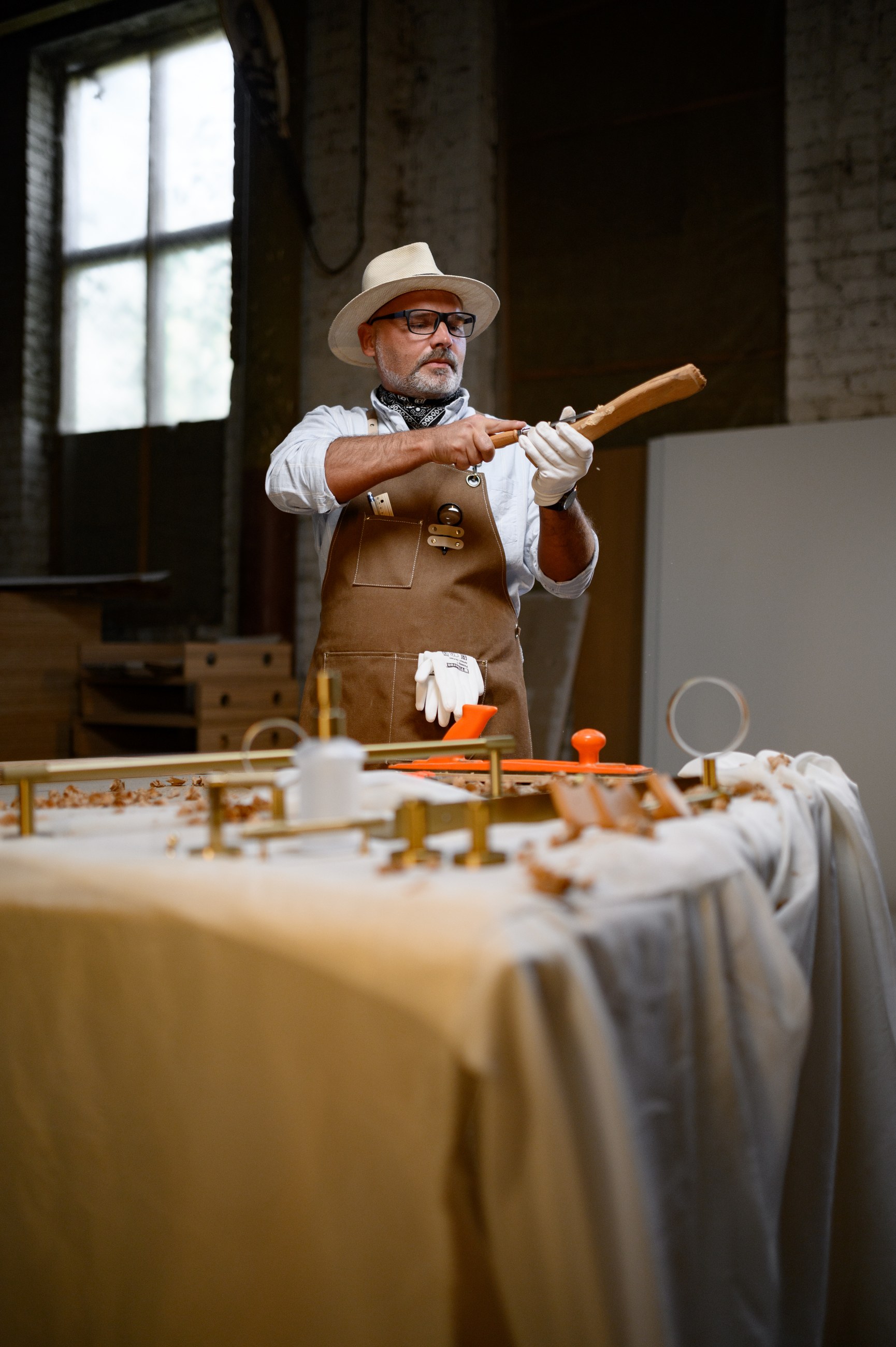
The foundation is practical and honest: natural wood and metal. Oak, ash, cherry, walnut and new combinations open many possibilities while preserving a sense of simplicity.
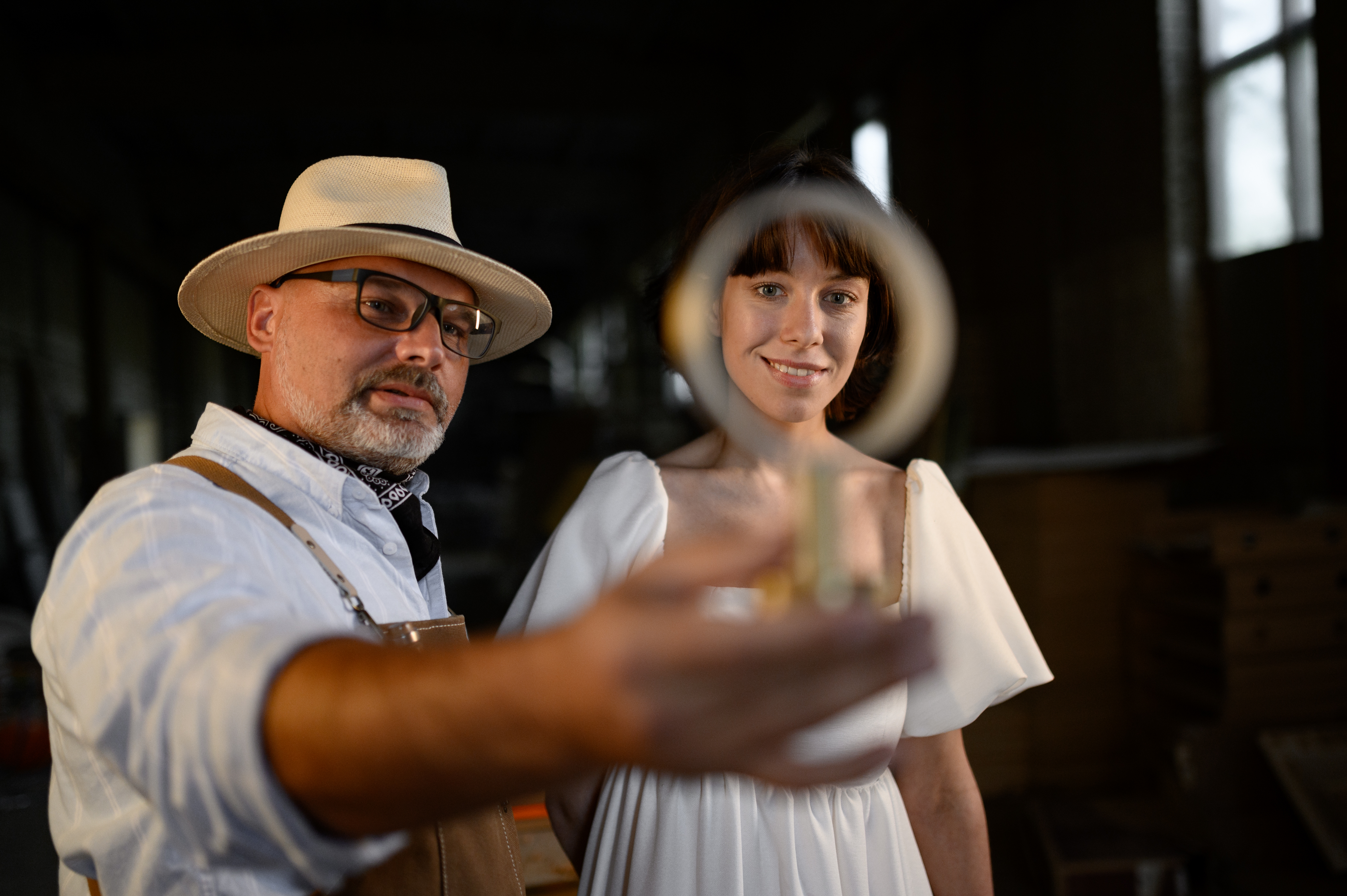
Graziano creates with a love of history and an appetite for innovation, allowing cultural memory to continue in contemporary spaces.
Return home